IPTV Für Sportbars Live Events In HD
The Digital Revolution in Sports Bars
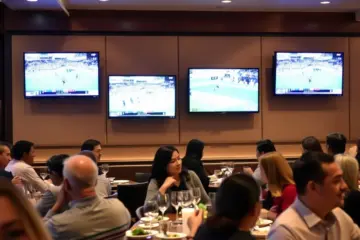
Sports bars are undergoing a fundamental transformation, moving away from traditional cable and satellite providers toward modern Internet Protocol Television (IPTV) solutions. This shift represents more than just a technological upgrade—it’s a strategic business decision that addresses the evolving demands of today’s sports enthusiasts. Traditional TV services often limit establishments with rigid channel packages, expensive commercial contracts, and limited international sports coverage. In contrast, IPTV offers unprecedented flexibility, cost efficiency, and access to global sporting events that keep customers returning.
Why Traditional TV Systems Are Failing Sports Bars
Conventional television providers present significant challenges for sports bar owners. Commercial satellite and cable contracts typically involve lengthy commitments with escalating costs, particularly for premium sports packages. Additionally, these services often restrict the number of screens that can display different events simultaneously, forcing bars to show the same content throughout their establishment. This limitation becomes particularly problematic during major sporting seasons when customers want to watch multiple games concurrently. According to industry analysis, sports bars using traditional providers face operational costs 40-60% higher than those utilizing streaming alternatives.
The IPTV Advantage for Business Operations
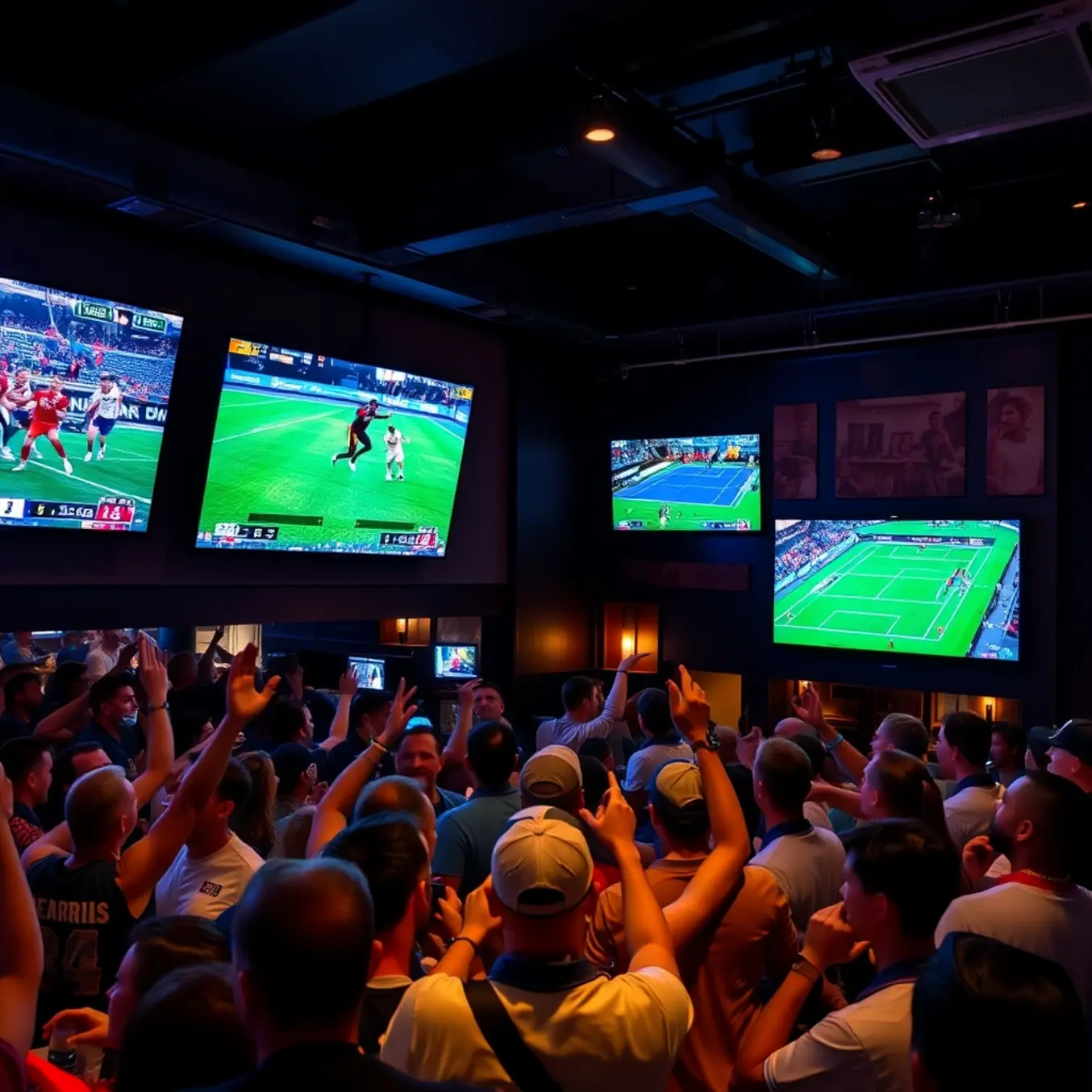
IPTV transforms how sports bars manage their entertainment systems through internet-based delivery. This technology enables establishments to broadcast different sporting events on various screens simultaneously without requiring multiple expensive set-top boxes. More importantly, IPTV provides access to international sports coverage that traditional providers often exclude from standard packages. For bars catering to diverse clientele, this means being able to show Bundesliga, Premier League, NBA, and niche sporting events all at once. The flexibility extends to payment models as well, with many IPTV services offering monthly subscriptions rather than binding long-term contracts.
Enhanced Customer Experience Through Modern Technology
Modern sports bar patrons expect high-definition streaming, reliable service during peak events, and comprehensive sports coverage. IPTV delivers on all fronts with superior picture quality, including 4K resolution for major games, and more stable connections during high-traffic periods. Furthermore, the electronic program guide (EPG) functionality allows bars to easily schedule and display upcoming events, creating anticipation among customers. The ability to quickly switch between games and access on-demand content means sports bars can cater to specific customer requests instantly, enhancing overall satisfaction and encouraging longer stays.
Cost Management and Scalability Benefits
From a financial perspective, IPTV presents compelling advantages for business owners. The technology eliminates expensive hardware installations and reduces maintenance costs associated with traditional satellite systems. Bars can scale their service based on seasonal demand, adding premium sports packages during major tournaments and scaling back during quieter periods. This pay-for-what-you-use model provides significant cost control compared to fixed commercial contracts from cable providers. Additionally, the simplified setup allows for easier expansion to additional screens as the business grows, without proportional cost increases.
What Is IPTV and How Does It Work for Sports Bars?
IPTV (Internet Protocol Television) represents a fundamental shift in how television content is delivered to commercial establishments like sports bars. Unlike traditional broadcast methods that transmit signals via satellite dishes or cable infrastructure, IPTV uses internet protocol networks to stream media content directly to compatible devices. This technology converts television signals into digital data packets that travel through high-speed internet connections.
For sports bars, this means accessing live games, matches, and sports programming through internet-connected devices rather than conventional satellite receivers or cable boxes. The system typically operates through dedicated IPTV applications on smart TVs, set-top boxes, or media streaming devices, providing a more flexible and scalable solution for commercial viewing environments.
Key Technical Differences from Conventional TV Solutions
IPTV differs significantly from traditional television delivery methods in several crucial aspects. Satellite TV relies on geostationary satellites broadcasting signals to parabolic dishes, while cable television uses coaxial cable infrastructure to distribute programming. In contrast, IPTV leverages existing internet connectivity and local area networks to deliver content.
The technical architecture of IPTV involves three primary service models: live television, time-shifted media, and video on demand. This multi-dimensional approach allows sports bars to access not only live sporting events but also recorded games, highlights, and specialized sports content through a single integrated platform. The underlying protocols, including HLS (HTTP Live Streaming) and RTMP, ensure efficient delivery of high-quality video streams across internet networks.
Commercial Benefits for Sports Bar Operations
Sports bars implementing IPTV solutions gain substantial operational advantages over traditional television systems. The scalability of IPTV allows establishments to easily add additional screens and viewing areas without significant infrastructure investments. Unlike satellite systems requiring individual receivers for each television, IPTV can distribute content across multiple displays from a central system.
Content flexibility represents another major benefit for commercial users. Sports bars can access international sporting events, niche sports channels, and specialized programming that may not be available through conventional cable or satellite providers. This capability enables establishments to cater to diverse customer preferences and host viewing events for various sports simultaneously.
The commercial-grade reliability of modern IPTV systems ensures consistent service during critical sporting events. With proper internet bandwidth planning and network configuration, sports bars can deliver uninterrupted viewing experiences even during peak business hours and major sporting championships.
Significant Cost Savings Compared to Traditional TV
German businesses switching to IPTV services typically achieve substantial cost reductions compared to traditional cable or satellite TV packages. According to industry analysis, IPTV can deliver savings of 40-60% over conventional business television solutions. This financial advantage stems from the elimination of expensive hardware installations and long-term contracts that characterize traditional TV services.
Moreover, IPTV operates through existing internet infrastructure, removing the need for dedicated satellite dishes or cable connections. Businesses can leverage their current network setup, further reducing implementation costs. For establishments seeking to optimize their entertainment budget while maintaining quality content, IPTV vs Kabel TV comparison highlights these financial benefits in greater detail.
Scalable Pricing Models for Different Bar Sizes
IPTV providers offer flexible pricing structures that adapt to various business scales, from small neighborhood pubs to large entertainment venues. Most services provide tiered subscription models based on the number of simultaneous streams, screen requirements, and channel packages needed. This scalability ensures businesses only pay for what they actually use.
Smaller establishments can typically start with basic packages offering essential sports and news channels, while larger venues can opt for premium packages with international content and specialized programming. The absence of long-term commitments in many IPTV plans allows businesses to adjust their subscriptions according to seasonal demand or changing customer preferences.
Additionally, many providers offer customizable channel bundles, enabling bar owners to create tailored packages that specifically match their clientele’s interests. This targeted approach eliminates the cost of unwanted channels that often come bundled with traditional TV packages.
Long-Term Financial Advantages
The financial benefits of IPTV extend beyond immediate cost savings to deliver significant long-term advantages. Unlike traditional TV services that frequently increase prices and require expensive hardware upgrades, IPTV services typically improve over time without substantial additional investment. Software updates and new features are often included in the subscription cost.
Businesses also benefit from reduced maintenance expenses since IPTV systems require minimal physical infrastructure. The transition to IPTV for beginners explains how this modern approach eliminates many traditional maintenance costs associated with satellite dishes and cable connections.
Furthermore, IPTV’s integration capabilities with existing business systems create additional revenue opportunities. Establishments can seamlessly incorporate advertising, promotional content, and event information into their television displays, transforming entertainment into a potential revenue stream rather than just an expense.
Internet Bandwidth Requirements for Crystal-Clear IPTV
Reliable IPTV streaming demands consistent internet speeds that match your viewing quality preferences. For standard definition content, a minimum of 10 Mbps provides adequate performance, while HD channels require at least 25 Mbps for uninterrupted viewing. Meanwhile, 4K Ultra HD streaming necessitates significantly higher bandwidth—typically 50 Mbps or more—to handle the increased data demands without buffering interruptions.
However, these are baseline recommendations. When multiple users share your network or when streaming during peak hours, additional bandwidth becomes essential. For business environments where multiple screens operate simultaneously, consider allocating 100 Mbps or higher to maintain professional-grade streaming quality throughout important presentations or live events.
Network Infrastructure for Professional Streaming
Your network setup directly impacts streaming reliability. Wired Ethernet connections consistently outperform Wi-Fi for IPTV applications, offering superior stability and reduced latency. For optimal performance, use Category 6 or higher Ethernet cables connected directly to your streaming device. This approach eliminates wireless interference and provides the consistent data transfer rates necessary for professional broadcasting quality.
When Wi-Fi remains your only option, prioritize the 5 GHz band over 2.4 GHz for reduced congestion and improved throughput. Position your router centrally and ensure your streaming device maintains strong signal strength. Additionally, consider implementing Quality of Service (QoS) settings on your router to prioritize IPTV traffic, guaranteeing bandwidth allocation during critical streaming sessions.
Advanced Network Optimization Techniques
Beyond basic setup, several advanced techniques enhance streaming stability. Implementing a VPN with dedicated streaming servers can improve connection stability while providing security benefits. Additionally, using a business-grade VPN service ensures encrypted connections without sacrificing streaming quality.
Network monitoring tools help identify bandwidth bottlenecks before they impact streaming quality. Consider implementing network segmentation to isolate streaming devices from other network traffic, preventing congestion during peak usage periods. For mission-critical streaming events, establish a dedicated internet connection exclusively for IPTV usage, eliminating competition from other network activities.
Global Sports Coverage at Your Fingertips
Modern IPTV services provide unprecedented access to international sports broadcasts that traditional television simply cannot match. Business professionals can now watch Premier League matches from England, NBA games from the United States, and Bundesliga fixtures from Germany—all through a single platform. This global accessibility eliminates the geographical restrictions that previously limited sports viewing options.
According to recent streaming industry analysis, over 60% of sports viewers now prefer streaming services over traditional cable or satellite providers. The flexibility to access international content makes IPTV particularly valuable for multinational corporations and expatriate professionals who need to stay connected with sports from their home countries.
Simultaneous Multi-Event Streaming
One of the most powerful features for business applications is the ability to stream multiple sporting events simultaneously. While traditional television requires multiple screens and subscriptions, IPTV platforms allow users to watch several games at once on different devices. This capability is especially useful for:
- Sports bars and hospitality venues showing multiple events
- Corporate events requiring different sports coverage in various areas
- Professional sports analysts monitoring concurrent matches
- Business travelers staying connected with multiple leagues
The technical foundation enabling this simultaneous streaming capability is explained in our comprehensive guide on IPTV protocols and streaming technology.
Specialized Sports Packages and Pay-Per-View Options
IPTV providers offer specialized sports packages that cater to specific business needs and viewer preferences. These packages typically include:
- Dedicated sports channel bundles featuring international leagues
- Exclusive access to premium sporting events
- High-definition and 4K streaming options for enhanced viewing
- Multi-language commentary tracks for international audiences
Pay-per-view functionality represents another significant advantage for business users. Companies can purchase access to specific major events without committing to long-term contracts. This flexibility allows organizations to:
- Host corporate viewing events for major championships
- Provide entertainment during business conferences
- Offer premium sports content in executive lounges
- Manage entertainment budgets more effectively
Understanding Commercial Streaming Licenses
Commercial streaming licenses are legally binding agreements that grant businesses the right to publicly broadcast copyrighted content. For sports bar operators, these licenses differ significantly from personal subscriptions. While residential streaming services like Netflix or Amazon Prime prohibit commercial use in their terms of service, specialized commercial licensing exists for business environments.
The legal distinction is crucial: personal streaming accounts explicitly forbid public exhibition. Violating these terms can result in severe consequences, including service termination and potential legal action from content owners. According to legal experts, unauthorized public streaming constitutes copyright infringement, exposing businesses to substantial financial penalties.